
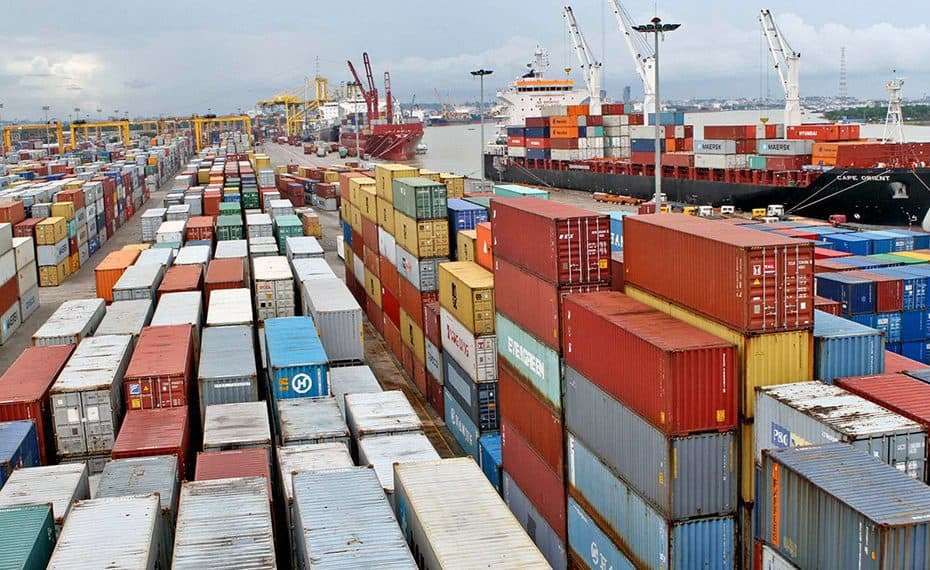
Cargo haulage rates at Lagos’ Tin Can Island and Apapa seaports have dropped by as much as 65.7 per cent, marking a major turnaround for Nigeria’s port logistics sector.
The sharp decline is largely driven by the electronic call-up system, Ètò, operated by Truck Transit Park Limited (TTP), which has significantly eased truck movement and access to the ports.
Industry operators and maritime experts say the improved traffic flow, shorter waiting times, and the removal of racketeering and illegal checkpoints along port access roads have combined to slash haulage costs.
A comparison of haulage rates shows a dramatic shift. Moving cargo from Apapa to Ikeja, which cost about ₦700,000 in December 2025, now averages ₦240,000. Similarly, haulage from Apapa to Sango, Ogun State, has fallen from ₦800,000 to approximately ₦330,000.
Several companies, ranging from large importers to small business owners, have also confirmed lower logistics expenses and improved delivery predictability since adopting the Ètò platform.
Confirming the trend, haulage operator Yusuf Liadi said transport charges have dropped significantly over the past two weeks compared to December.
“In December, we charged over ₦700,000 from Apapa to Ikeja and more than ₦800,000 to Sango, Ogun State. Today, those routes go for about ₦240,000 and ₦330,000 respectively,” Liadi said.
According to him, the reduction is largely due to faster truck turnaround and minimal waiting time at truck parks and marshalling yards.
Also speaking on the development, Managing Director of Truck Transit Park Limited, Jama Onwubuariri, said increased compliance with the Ètò system has enabled trucks to move from holding bays to port gates within 48 hours, with some gaining access in as little as 12 to 18 hours.
He explained that reduced time on port access roads and the elimination of illegal toll collection points have significantly lowered operating costs for truckers.
He added that truck drivers previously spent days in traffic, paying illegal fees, while businesses suffered increased demurrage and revenue losses—costs that were ultimately passed on to consumers.
Onwubuariri emphasized that truck turnaround is now driven by technology, digital compliance, and scheduling discipline, rather than informal payments.